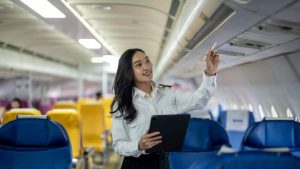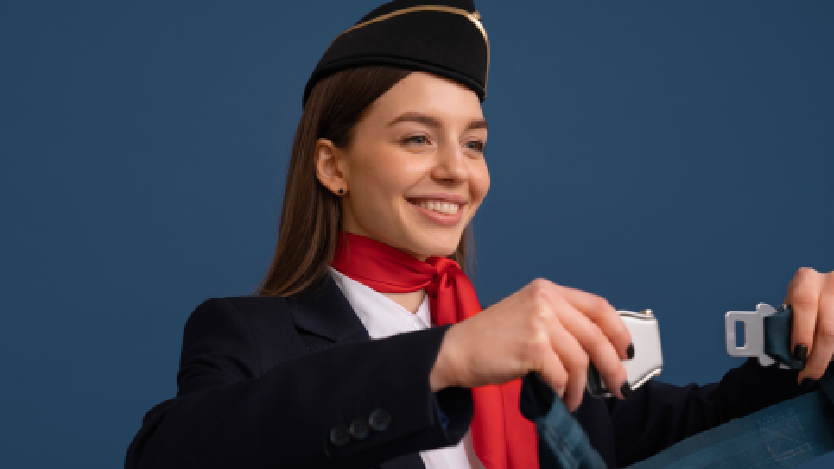
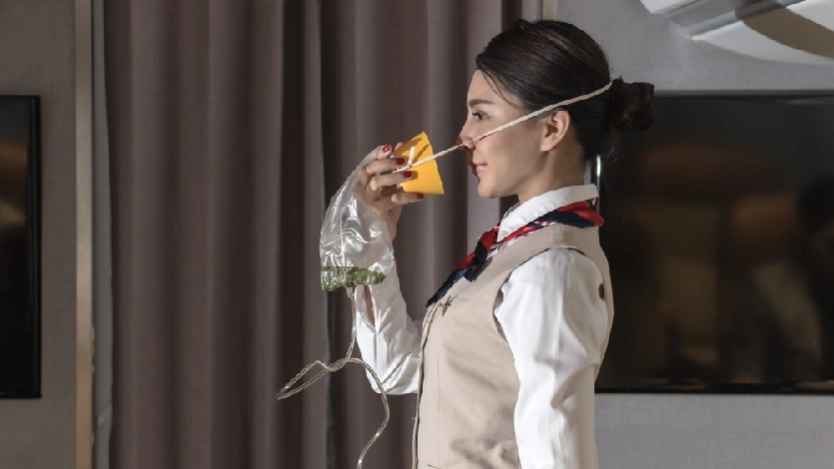
Airlines prefer graduates from a cabin crew training centre because they are professionally trained in communication, grooming, and safety, making them more prepared for real aviation responsibilities.
There is something airlines notice within the first few minutes of an interaction.
It is not just how a candidate looks. It is how they respond when a question changes direction. How do they manage a pause? How do they recover when they are unsure? Those small moments say a lot.
This is exactly why graduates from a reputed cabin crew training centre often stand out without trying too hard. Their responses feel prepared, but not rehearsed. Confident, but not forced.
At Fly Wings, we have watched this pattern repeat itself. Again and again.
Airlines Are Hiring for Readiness, Not Just Potential
Airlines operate in environments where mistakes are not easily forgiven. Delays, safety concerns, or passenger dissatisfaction can escalate quickly.
So hiring teams look for candidates who are already close to industry-ready.
What airlines actively look for:
- Clear and structured communication
- Calm behaviour under pressure
- Awareness of safety procedures
- Professional grooming standards
- Ability to work in a team without friction
A strong cabin crew training centre builds these traits before a candidate even attends an interview.
Structured Training Creates Predictable Performance
From an airline’s point of view, predictability matters.
They want to know how a candidate will behave in real situations. Training provides that consistency.
Here is how structured learning helps:
| Training Area | Airline Expectation |
| Communication drills | Clear passenger announcements |
| Safety modules | Accurate emergency response |
| Grooming standards | Uniform and presentation fit |
| Mock interviews | Confident, composed interaction |
This alignment makes hiring decisions easier.
The Difference You Can Actually See
There is a visible gap between trained and untrained candidates.
Untrained candidates may have enthusiasm, but they often struggle with delivery. Trained candidates, especially from the best air hostess training centre, show a different level of control.
They pause at the right time. They answer directly. They maintain eye contact without overthinking it.
It feels natural. That is what airlines notice.
Real-World Scenario Training Makes the Difference
One of the biggest advantages of professional training is exposure to real situations before stepping into the job.
Students are trained to handle:
- Passenger anxiety during turbulence
- Confusion during boarding announcements
- Unexpected service delays
A quick comparison:
| Situation | Untrained Response | Trained Response |
| Passenger complaint | Defensive or unsure | Calm and solution-oriented |
| Emergency briefing | Hesitation | Clear and structured delivery |
| Team coordination | Unclear communication | Precise and confident exchange |
This kind of readiness is not developed overnight. It comes through repeated practice.
Grooming and Discipline Are Not Optional
Airlines follow strict grooming and presentation standards. It is part of their brand identity.
At Fly Wings, we treat grooming as a daily habit, not a one-time checklist.
Students learn:
- Uniform discipline
- Personal hygiene standards
- Professional posture and movement
These details may seem small, but they influence hiring decisions more than most candidates realise.
Graduates from the best air hostess training centre are already aligned with these expectations.
Confidence Built Through Repetition
Confidence is often misunderstood.
It is not about speaking loudly or appearing bold. It is about being comfortable with what you know and how you present it.
Through:
- Mock interviews
- Group discussions
- Repeated role-play sessions
Students begin to trust their own responses. That trust shows.
We have seen candidates who once hesitated to speak eventually lead group interactions without effort. It does not happen instantly, but it happens.
Understanding the Bigger Career Picture
Cabin crew roles are not just about flying. They are part of a larger career path.
Students who train seriously begin to understand:
- How airline hiring cycles work
- What progression looks like after joining
- How international opportunities open up over time
That’s usually the stage where many students begin to look more closely at eligibility requirements, training modules, and what the career path actually looks like ahead. It brings clarity, especially when you start seeing aviation as a long-term profession rather than just a job.
Why Airlines Trust Reputed Training Centres
Trust is built over time.
Airlines often become familiar with institutions that consistently produce well-prepared candidates. They know what to expect.
Key reasons behind this trust:
- Standardised training modules
- Consistent grooming and communication levels
- Students who adapt quickly during onboarding
At Fly Wings, we focus on maintaining that consistency. Because one well-prepared batch is not enough. It has to be sustained.
A Reality Many Candidates Overlook
Not every student who joins training becomes airline-ready immediately.
There are phases. Learning. Practicing. Correcting. Sometimes, repeating the same exercise multiple times.
But that is the process.
Those who stay consistent begin to notice changes. Their responses become sharper. Their presence becomes stronger. Their hesitation fades.
And that is when airlines start noticing them too.
Conclusion
Airlines are not just selecting candidates. They are taking responsibility.
Graduates from a reputed cabin crew training centre are often preferred because they bring preparedness, discipline, and clarity into the role from day one.
At Fly Wings, we focus on building that readiness step by step. Not rushed, not superficial.
For students exploring structured aviation training, choosing the right air hostess academy in Gurgaon can make a significant difference in how their journey begins.
Also Read:-
Can Customer Service Training In Gurgaon Help You Switch Careers Successfully?
Practical Skills Taught At The Best Customer Service Training Centre In Gurgaon
More Useful Links:-
Customer Service Training in Gurgaon | Best Ground Staff Course in Delhi | Certified Flight Instructor in Gurgaon
FAQs
Q. Why do airlines prefer trained cabin crew candidates?
Airlines prefer trained candidates because they are already familiar with communication standards, safety procedures, and professional grooming. This reduces training time after hiring and ensures smoother onboarding, allowing airlines to maintain consistent service quality and operational efficiency from the beginning.
Q. What skills do students learn at a cabin crew training centre?
Students learn communication, safety procedures, grooming, customer handling, and teamwork. These skills help them manage passengers, handle emergencies, and maintain professionalism during flights, which are essential for performing cabin crew duties effectively in real airline environments.
Q. How does training improve interview performance?
Training includes mock interviews and real-life scenario practice, which helps candidates respond confidently and clearly. They learn how to structure answers, maintain composure, and present themselves professionally, increasing their chances of selection during airline recruitment processes.
Q. Is training necessary to become a cabin crew member?
While not always mandatory, professional training significantly improves a candidate’s chances. It prepares them for industry expectations, builds confidence, and ensures they are ready to handle real situations, making them more competitive in airline selection processes.